|
Few
artists in country
music history have left
a mark as deep and
enigmatic as Bobbie
Gentry. In the late
1960s, she became a
sensation with her
haunting storytelling,
Southern imagery, and
striking independence
as a songwriter. Yet
after years of fame,
television success, and
hit records, she
quietly stepped away
from the spotlight. Her
disappearance from
public life has
fascinated fans for
decades.
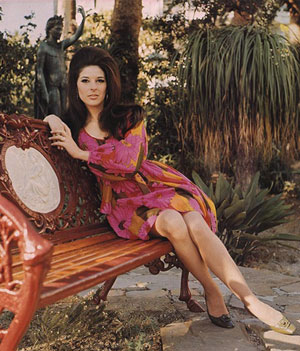
Bobbie Gentry was born Roberta Lee Streeter near Woodland,
Mississippi. After her parents divorced, she was raised
primarily by her grandparents on a rural farm that lacked
electricity and indoor plumbing. Music became an early
passion. Family stories recount that her grandmother traded
a milk cow for a piano, giving the young Gentry the
instrument on which she began composing songs. As a
teenager, she moved to California to live with her mother. She
later attended college in the Los Angeles area, studying music
and composition while performing in clubs and supporting
herself with various jobs. During this period, she adopted the
stage name “Bobbie Gentry,” inspired by the film Ruby
Gentry.
Gentry’s career changed forever in 1967 with the release of
“Ode to Billie Joe.” The song told the story of a Mississippi
family discussing the death of a local young man, Billie Joe
McAllister, while casually eating dinner. The song’s
mysterious narrative, sparse arrangement, and Southern
Gothic atmosphere captivated listeners. The record became a
massive hit, spending four weeks at No. 1 on the Billboard
Hot 100. It earned Gentry Grammy Awards for Best New
Artist and Best Female Pop Vocal Performance. More
importantly, it established her as something unusual for the
era: a female artist who wrote her own material and exercised
significant creative control over her music.
Following her breakthrough, Gentry built a career that
crossed the boundaries of country, folk, pop, and soul music.
She released acclaimed albums including The Delta Sweete
and Fancy, both of which showcased her ability to create
vivid portraits of Southern life. Her song “Fancy” became one
of her signature recordings. Years later, it would gain
renewed fame through Reba McEntire’s hit version, further
cementing Gentry’s reputation as a gifted storyteller.
Gentry’s talents extended beyond recording. She enjoyed
successful television work, including hosting her own BBC
variety series, and she became a major attraction in Las Vegas
, where she helped create and shape elaborate stage
productions. At a time when female performers were often
expected simply to sing, Gentry was involved in writing,
producing, arranging, and directing aspects of her shows.
By the late 1970s, Gentry's enthusiasm for the entertainment
industry appears to have waned. Multiple accounts describe
her as having lost interest in performing and becoming
increasingly disenchanted with show business. Rather than
making a grand farewell announcement, she gradually
withdrew from recording and live appearances. Her final
studio album was released in the early 1970s, although she
continued performing in Las Vegas and making occasional
television appearances afterward. By the early 1980s, those
appearances largely stopped.
Importantly, Gentry never publicly explained her departure
in detail. Because she chose not to give interviews or maintain
a public profile, many theories emerged. Some fans believed
she had become frustrated with the music business. Others
suggested that having achieved financial success, she simply
preferred a private life. What is known is that she retired
from public entertainment and largely disappeared from
view.
Unlike many retired performers, Gentry did not continue
making public appearances, granting interviews, or
participating in nostalgic reunion tours. For more than four
decades, information about her life has been scarce. Reports
have occasionally surfaced claiming to know where she lives.
She has been spotted in Memphis, Los Angeles, and some
dollar store in Arkansas but never verified. She has
consistently avoided publicity and declined opportunities to
re-enter the spotlight. This silence has transformed her
retirement into one of popular music’s enduring mysteries.
Yet it may also reflect a simple reality: after years of fame,
Bobbie Gentry chose privacy over celebrity and successfully
maintained it.
Today, Bobbie Gentry is remembered not only for “Ode to
Billie Joe” but also as a pioneering artist who helped pave the
way for women to exercise creative authority in popular
music. Long before it became common, she wrote her own
songs, shaped her recordings, and built a career on her own
artistic vision. Even though she vanished from public life, her
influence remains visible in generations of singer-songwriters
who followed. The mystery surrounding her retirement may
endure, but her contributions to country and popular music
are firmly established.
|