|
Hearing
the opening notes of
"Feels So
Good" instantly
transports me back to a
different era. Warm,
melodic, and
unmistakably
optimistic, the music
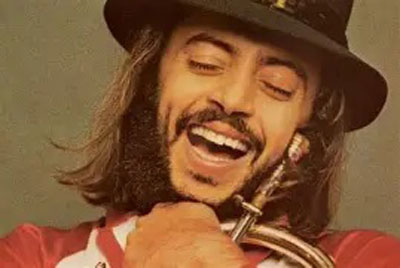
of Chuck Mangione had a
way of making people
smile. Yet reducing
Mangione to a single
hit does a disservice
to a remarkable career
that spanned more than
five decades and
produced over 30
albums. He was not only
a gifted flugelhorn
player and composer,
but also an entertainer
who understood the
value of demanding
work, the importance of
his bandmates, and the
joy of never taking
himself too seriously.
Born in Rochester, New
York, Mangione emerged
from a rich jazz
background. Early in
his career he performed
with his brother Gap
Mangione in the Jazz
Brothers before earning
wider recognition as a
member of Art
Blakey's famed Jazz
Messengers during the
1960s. Those
experiences placed him
in the company of some
of jazz's greatest
musicians and helped
shape the distinctive
sound he would later
bring to audiences
around the world.
By the 1970s, Mangione had developed a unique style that
bridged jazz, pop, and orchestral music. His compositions
were sophisticated without being intimidating, making
instrumental music accessible to mainstream audiences.
Albums such as Bellavia, Children of Sanchez, and especially Feels So Good introduced millions of listeners to jazz
-influenced music at a time when radio playlists were
becoming increasingly dominated by vocal performers. Feels
So Good became his signature work, with the title track
reaching the Top 5 on the U.S. charts and the album climbing
to No. 2 on the Billboard album chart.
What often gets overlooked in discussions of Mangione's
success is his dedication to the craft. Behind the seemingly
effortless melodies was a musician who constantly rehearsed,
arranged, composed, and refined his performances. Unlike
artists who relied solely on studio recordings, Mangione built
his reputation on the road. His touring ensembles were
known for their professionalism and musicianship. The
members of his band were not merely accompanists; they
were essential contributors to the expansive sound audiences
heard on stage and on record. Musicians such as Gerry
Niewood and Chris Vadala helped create the rich textures
and soaring harmonies that became trademarks of a Chuck
Mangione performance.
Mangione also understood leadership. He gave his musicians
room to shine, allowing solos and improvisation while
maintaining the melodic focus that audiences expected. The
result was a sound that felt both polished and spontaneous.
Fans who attended Mangione concerts often remarked on the
chemistry among the musicians. There was little sense of
hierarchy on stage. Instead, there was a feeling that everyone
was participating in a shared musical conversation. That
spirit reflected Mangione's personality. He was known for his
generosity toward fellow musicians and his enthusiasm for
collaboration. Whether performing with a small group, a full
jazz ensemble, or a symphony orchestra, he projected the
image of someone genuinely happy to be making music. The
smiles weren't part of an act. They were a natural extension of
the joy he felt while performing.
To genuinely appreciate Chuck Mangione, one had to see him
live. His concerts were celebrations. The familiar
compositions served as starting points rather than fixed
destinations. Songs would stretch, evolve, and take
unexpected turns through improvisation. Audiences might
arrive expecting to hear a radio favorite, but they often left
remembering the energy of the performance and the
connection among the musicians.
Mangione's stage presence was warm and approachable. He
rarely carried the aloof demeanor sometimes associated with
jazz virtuosos. Instead, he welcomed audiences into the
music. His trademark flugelhorn sound, lyrical and
expressive, seemed to speak directly to listeners. Even at
large venues, there was an intimacy to his performances. He
had an ability to make thousands of people feel as though
they were sharing a personal experience. That quality helped
cultivate a fiercely loyal fan base that followed him for
decades.
Part of Mangione's enduring appeal was his authenticity. His
music radiated optimism because he genuinely seemed
optimistic. He approached audiences with humility and
gratitude rather than self-importance. That attitude made
him especially beloved among fans who appreciated not just
his musical talent but also his character. While many
successful artists fiercely guarded their image, Mangione
appeared comfortable poking fun at himself when the
opportunity arose.
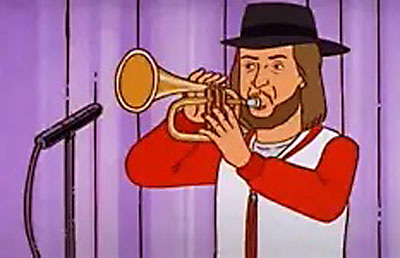
Perhaps the most delightful example of Mangione's self
-awareness came through his recurring appearances on the
animated television series King of the Hill. Rather than
portraying an idealized version of himself, he happily became
part of the joke. On the show, he voiced a fictionalized Chuck
Mangione who served as the spokesman for Mega Lo Mart
and often appeared in absurd situations while relentlessly
associated with his hit "Feels So Good."
The running gag worked because Mangione embraced it. He
understood that cultural relevance sometimes means
allowing people to laugh with you. The animated character
lived inside the store, appeared unexpectedly, and often
seemed unable to escape references to his biggest hit. Rather
than resist the parody, Mangione leaned into it
wholeheartedly. Few musicians with decades of
accomplishments would be willing to become a recurring
punchline in prime-time television. Mangione recognized that
humor and humility could coexist with artistic achievement.
His appearances on the show introduced him to younger
audiences who may never have heard his music otherwise.
In an era often defined by cynicism, Chuck Mangione's music
remains a reminder that sincerity can be powerful. His
melodies were memorable without being simplistic. His
performances were technically impressive without being
showy. Most importantly, he created music that made people
feel good without apology.
Rediscovering Chuck Mangione means rediscovering an artist
who balanced excellence with accessibility, professionalism
with warmth, and success with humility. Whether through a
soaring flugelhorn solo, a memorable live concert, or a self
-deprecating animated cameo, he consistently brought joy to
audiences.
And that may be his greatest legacy: for generations of
listeners, Chuck Mangione didn't just play music. He made
people feel good and even in death continues to do so.
|